What Is Cosmetic Bonding?
Cosmetic bonding, also called dental bonding or composite bonding, is a procedure in which your dentist applies a tooth-colored resin material directly to the surface of a tooth to improve its shape, size, or color. The resin is sculpted by hand, hardened with a curing light, and polished to a natural-looking finish.
It's one of the most versatile and accessible cosmetic dental treatments available, often
completed in a single appointment, with no anesthetic required and no permanent alteration to your natural tooth.
What Can Bonding Fix?
Bonding is remarkably flexible in what it can address. Dentists commonly use it to:
- Repair chipped or cracked teeth
— restoring the tooth's original shape and protecting the area from further damage
- Close small gaps between teeth — a great alternative for patients who want subtle changes without orthodontic treatment
- Improve the appearance of discolored teeth
— especially teeth that don't respond
- well to whitening
- Reshape irregular or uneven teeth
— smoothing out teeth that are too short, too
- pointed, or slightly misaligned in appearance
- Cover exposed root surfaces — which can occur when gums recede and cause sensitivity
If any of these sound familiar, bonding may be worth discussing with your dentist at your next visit.
How Does the Procedure Work?
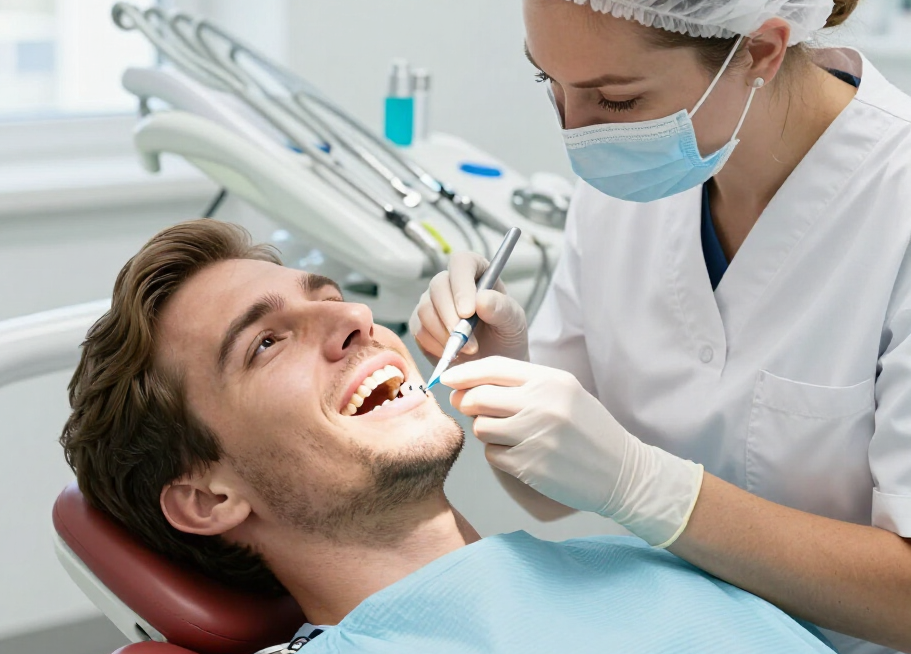
One of the biggest advantages of cosmetic bonding is its simplicity. Here's what a typical appointment looks like:
- Preparation. In most cases, little to no preparation is needed. Your dentist will select a composite resin shade that closely matches your natural tooth color, then lightly roughen the tooth surface and apply a conditioning gel. This helps the resin adhere or stick properly.
- Application. The composite resin, a putty-like material, is applied to the tooth and carefully molded into the desired shape. Your dentist will sculpt it to blend seamlessly with the surrounding teeth.
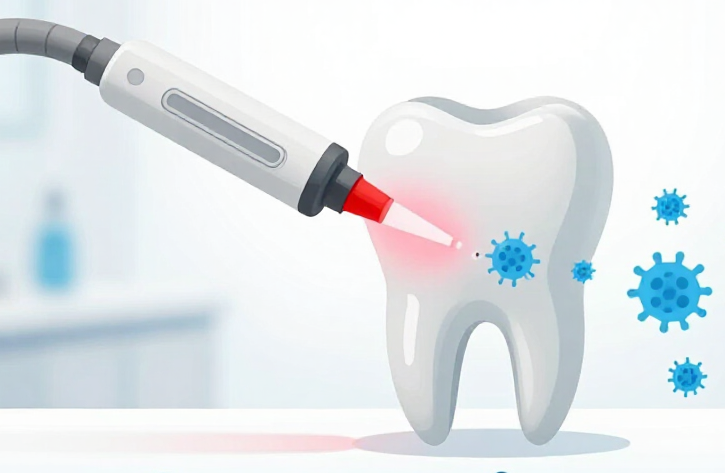
- Curing. A special blue light is used to harden the resin in place within seconds.
- Finishing. Once hardened, the bonded area is trimmed, shaped further if needed, and polished to match the sheen of your natural enamel.
From start to finish, bonding typically takes 30 to 60 minutes per tooth — and in many cases, the whole treatment is done in a single visit.
What Are the Benefits?
Bonding stands out for several reasons:
Speed. There's no waiting for a dental lab to fabricate a restoration. Your dentist completes everything chair-side, often in one appointment.
Minimal tooth alteration. Unlike porcelain veneers or crowns, bonding requires little to no
removal of natural tooth structure. Your tooth stays largely intact.
No anesthesia needed. Unless the bonding is being used to fill a cavity or address a
particularly sensitive area, the procedure is typically painless without any numbing.
Cost-effectiveness.
Bonding is generally one of the most affordable cosmetic dental options, making it accessible for patients who want to improve their smile without a major financial commitment.
How Long Does Bonding Last?
With proper care, cosmetic bonding typically lasts between five and ten years before it may need to be touched up or replaced. To get the most out of your bonding:
- Avoid biting directly into hard foods like ice, hard candy, or crusty bread with the bonded tooth
- Limit staining foods and beverages because resin can discolor faster than your natural
- tooth with heavy exposure to coffee, tea, red wine, and tobacco
- Keep up with regular cleanings so your dentist can monitor the bonded area
- Wear a nightguard if you grind your teeth, as grinding can chip or wear down the resin
Is Bonding Right for You?
Cosmetic bonding is an excellent choice for minor to moderate cosmetic concerns, but it does have limitations. For more extensive restorations, significant discoloration, or teeth that need greater strength and durability, your dentist may recommend alternatives such as veneers or crowns.
The best way to find out is to bring it up at your next appointment. Your dentist can evaluate the area, discuss your goals, and help you decide on the right path forward.
A more confident smile may be just one appointment away.
Interested in learning more about cosmetic bonding or our other smile enhancement options?
Contact ↗
Amaze Dental in Kirkland, WA — we'd love to help you explore what's possible.