How Teeth Become Discolored
Tooth discoloration generally falls into two categories: extrinsic and intrinsic stains.
- Extrinsic stains affect the outer enamel and are commonly caused by foods and drinks such as coffee, tea, red wine, and berries, as well as tobacco use.
- Intrinsic stains occur within the tooth structure itself and may be related to trauma, infection, certain medications, or developmental issues.
When multiple teeth darken evenly over time, whitening treatments often work very well. However, when only one tooth is discolored, the cause is frequently different and deserves special attention.
How Teeth Whitening Works: The Science Behind a Brighter Smile
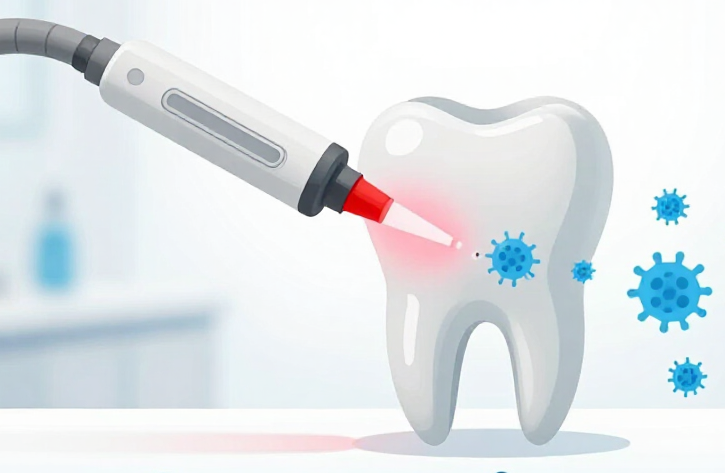
Professional teeth whitening uses peroxide-based agent, most commonly hydrogen peroxide or carbamide peroxide, to safely lighten tooth color. These whitening agents penetrate the enamel and move into the dentin, where discoloration often resides.
Once inside the tooth, the peroxide breaks down into oxygen molecules. These molecules interact with the dark-colored stain compounds, breaking them into smaller, less visible particles. As a result, the tooth appears lighter and brighter without removing tooth structure.
It’s important to note:
- Whitening does not change the natural structure of your teeth
- Results depend on the type of stain, tooth health, and consistency of use
- Sensitivity during whitening is a common concern and can be remedied through various techniques such as less contact time, taking break between treatments, and using sensitivity products throughout treatment
- Whitening works best on natural tooth structure and will not change the color of fillings, crowns, or veneers
Because intrinsic stains and single-tooth discoloration may respond differently, professional oversight ensures whitening is both safe and effective.
Why Is Only One Tooth Discolored?
A single darkened tooth can signal an underlying issue. Some common causes include:
- Dental trauma: A past injury (even years earlier) can damage the tooth’s nerve, leading to internal discoloration.
- Previous dental work: Old fillings or root canal treatments can sometimes change a tooth’s appearance.
- Infection or nerve damage: A tooth that has lost vitality may turn gray, brown, or yellow.
- Developmental differences: Occasionally, one tooth forms differently than the others.
Because of these possibilities, a single discolored tooth should always be evaluated by a dentist before whitening. Whitening alone may not address the root cause and, in some cases, may not be effective.
Teeth Whitening Options
Professional whitening remains the safest and most effective way to improve your smile. Our office offers two convenient at-home whitening options, allowing patients to whiten on their own schedule while still benefiting from professional guidance.
Custom Professional At-Home Whitening
This option includes custom-made trays designed specifically for your teeth. The precise fit allows the whitening gel to contact the tooth surfaces evenly, providing:
- More consistent whitening
- Reduced gum irritation
- Better control over shade changes
Custom trays are ideal for patients with uneven discoloration or those looking for optimal, long-lasting results.
Non-Custom At-Home Whitening
Non-custom whitening trays offer a more affordable and convenient option. While they do not provide the same level of precision as custom trays, they can still be effective for mild, generalized staining when used as directed.
Whitening a Single Discolored Tooth: Special Considerations
When only one tooth is darker than the rest, traditional whitening may lighten surrounding teeth faster, making the contrast more noticeable. Depending on the cause of discoloration, treatment options may include:
- Targeted whitening techniques
- Internal bleaching for teeth that have undergone root canal treatment
- Cosmetic bonding
- Veneers or crowns for more severe or resistant discoloration
Your dentist will recommend the most appropriate option to ensure the discolored tooth blends naturally with your smile.
The Importance of a Professional Evaluation
Teeth whitening is not one-size-fits-all, especially when uneven discoloration is involved. A professional exam ensures your teeth and gums are healthy, identifies the cause of discoloration, and helps select the most effective treatment option for safe, natural-looking results.
If you’re considering whitening or are concerned about a single discolored tooth, our team is happy to help you find the best path to a brighter, healthier smile!
Schedule a consult today ↗.