The Three Types of Tooth Wear
Not all wear is created equal, and identifying the cause makes all the difference when it comes to treatment.
Erosion happens when acids dissolve the hard surface of your teeth. The culprits are often dietary in nature – think sodas, energy drinks, iced teas, and citrus fruits. Erosion can also come from within our gut. Acid reflux (GERD) and its quieter cousin, LPR, sometimes called "silent GERD," are surprisingly common causes that many patients never connect to their dental health. If you experience frequent heartburn, chronic throat clearing, or a hoarse voice in the mornings, acid may be reaching your teeth without you realizing it.
Abrasion is physical wear from outside forces, most often overly aggressive brushing, abrasive toothpaste, or habits like chewing on hard objects.
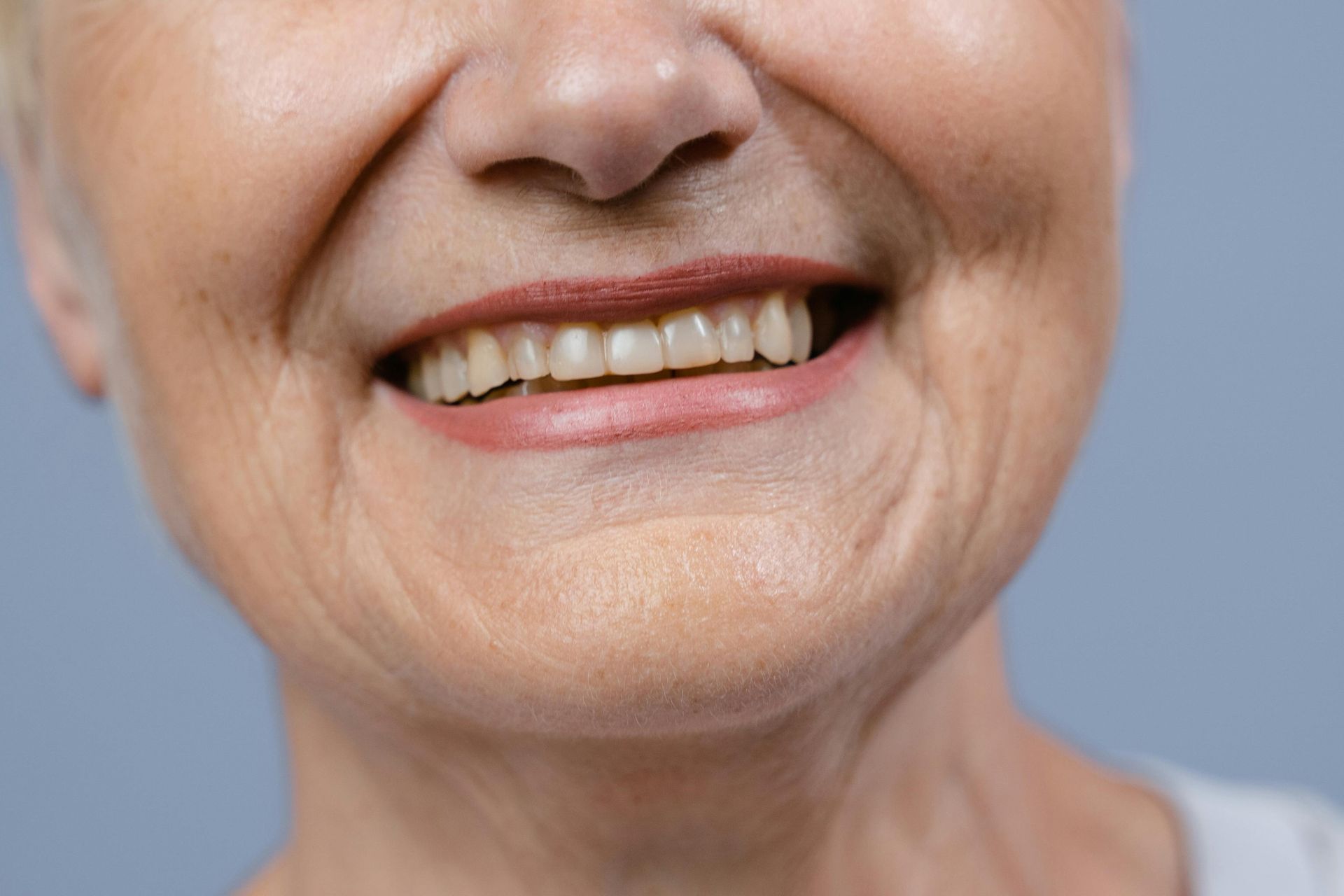
Attrition is wear that comes from your teeth rubbing directly against each other. This type leaves behind a sharp, flat, polished surface and carries the highest risk for fracturing a tooth. Attrition is most often linked to bruxism (grinding and clenching), which brings us to one of the most important and frequently misunderstood topics in dentistry.
Why Do People Grind Their Teeth?
This is a question we take seriously at Amaze Dental, because treating wear without understanding its root cause is like mopping up a flood without turning off the faucet.
Stress and anxiety
play a major role. Daytime clenching is often an unconscious coping mechanism, the body's way of managing tension. Research suggests that biting and clenching can actually reduce cortisol, your primary stress hormone, which is why so many people clench at their desks without ever realizing it.
Airway and breathing are increasingly recognized as a primary driver of grinding. When breathing is compromised due to mouth breathing, enlarged tonsils or adenoids, or sleep apnea, the body may activate grinding as a way to help keep the airway open during sleep. Interestingly, milder sleep apnea tends to correlate with more grinding, because the body is still actively compensating. It's a sign the body is working hard on your behalf, even if your teeth are paying the price.
Acid reflux
can also directly trigger bruxism by disrupting the neurological signals that regulate jaw movement during sleep. If GERD or LPR is part of the picture, treating the reflux often reduces grinding as well.
Certain medications, particularly SSRIs used to treat depression and anxiety, are a known cause of bruxism. Symptoms typically appear within the first few weeks of starting a medication and often resolve after adjusting the dosage or switching. This is why we always encourage patients to mention any new prescriptions at their dental visits. Your full health picture matters here.
Who Is Most at Risk?
Tooth wear becomes more visible with age; by age 70, roughly one in six people show significant wear. That said, younger patients are often the ones actively creating wear at the fastest rate, even if there's less of it to see. Children are not immune either. Tooth wear in childhood is a meaningful predictor of wear as an adult, and it frequently connects to mouth breathing, enlarged tonsils, narrow arches, and disrupted sleep.
What Can Be Done?
The most effective approach is always to identify and manage the underlying cause, not simply patch over the damage and hope for the best.
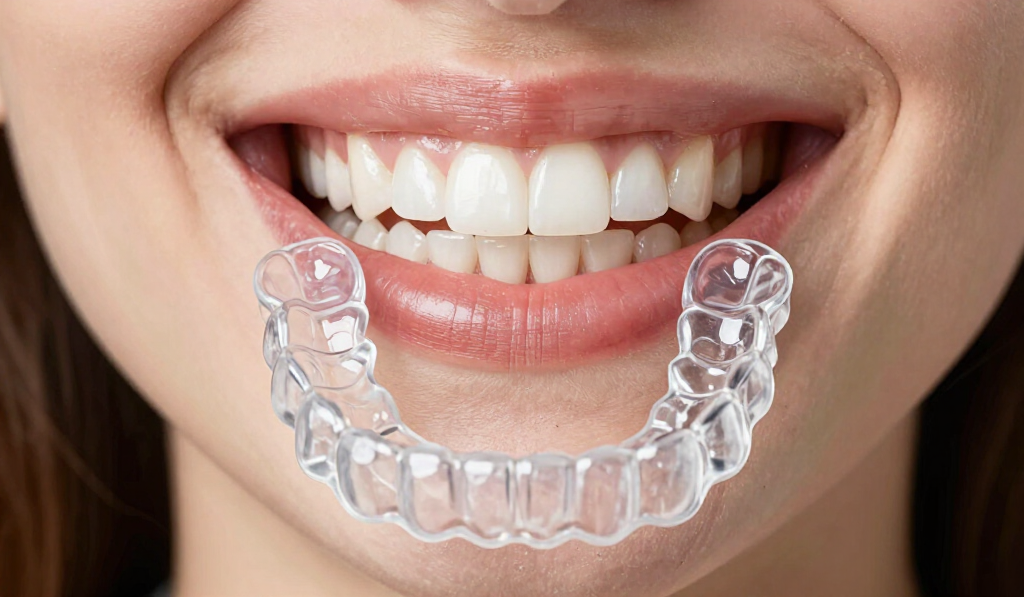
If acid is involved, we may refer you to a gastroenterologist or ENT and recommend alkaline water with a pH of 8.8 or higher to help neutralize the enzymes responsible for soft tissue and tooth damage. If stress or airway concerns are part of the picture, we'll talk through options that go well beyond a standard night guard, which on its own can sometimes make things worse rather than better. And when teeth have already been damaged, modern bonding and restorative techniques can do a great deal to rebuild what's been lost.
Worn teeth are a signal worth paying attention to. If you've noticed changes in your smile or if we've flagged wear at your last visit, let's have a conversation. At Amaze Dental, we'll work with you to understand what's driving it and build a plan that protects your teeth for years to come.
Have questions about tooth wear or grinding?
Give us a call ↗ at Amaze Dental Kirkland — we'd love to help.