
Are Dental Veneers For You?

October 12, 2018

Are you unhappy with your smile and considering something that can improve your appearance? Your smile is what people notice first and that first impression can be very important.

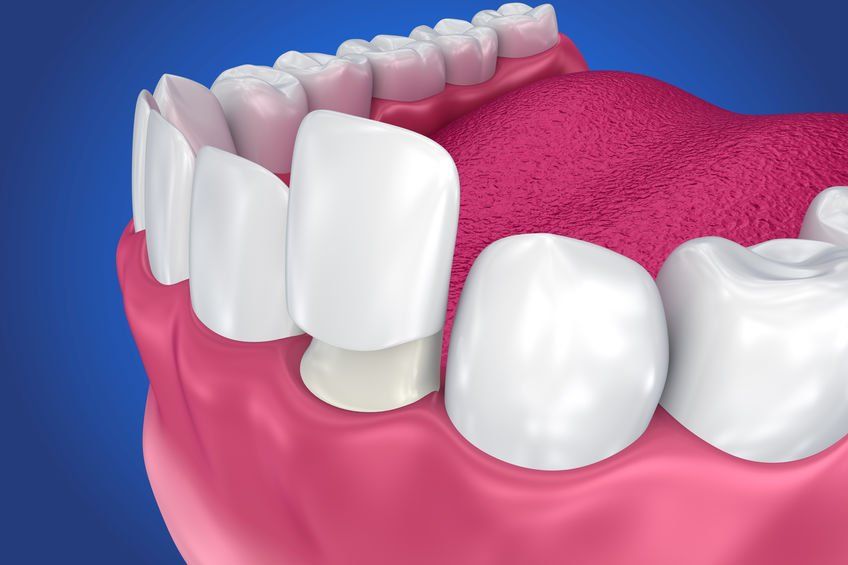
A computer generated image of a person 's teeth with porcelain veneers.

Veneers are thin pieces of porcelain that are “bonded” onto the front surfaces of your front teeth. Depending on what is needed and desired, it may include from four to eight of your front teeth. With a veneer we can change the size, color, position or the shape of your teeth. When done correctly your teeth will look very natural resulting in a beautiful smile. Veneers are technically difficult to do perfectly and time and experience make a very big difference in the outcome. We have been doing them for many years and they are one of the disciplines I teach at the UW Dental School.


Veneers are commonly used to correct the following:

  • Teeth with gaps between them
  • Cracked, chipped or broken teeth
  • Poorly shaped teeth
  • Teeth that are discolored from age, childhood medication, wear, etc.
  • Poor smile lines


Dental Veneers will last 10-15 years and sometimes longer when proper care is practiced Permanent veneers are typically made of thin porcelain, but can also be made of a composite type material that is less expensive and faster to apply as it is not lab made, but instead applied directly onto the teeth. This alternative material does not last as long and is not as cosmetically perfect, but can be a temporary treatment.


Cases where Dental Veneers are not indicated:

  • People with habits such as chewing ice, biting their nails, grinding their teeth, etc.
  • Large defects or fractured areas where crowns are needed as veneers do not provide the necessary strength
  • Evidence of gum disease or chronic, poor homecare as decay can occur at the margins if not brushed or flossed like other natural teeth
  • Weak enamel that makes bonding difficult


Only about 1 mm of tooth structure must be removed to apply veneers which is less than crowns so it is a more conservative approach.

Subscribe to Dr. Annie's newsletter

Latest Articles

Dentist examining a smiling child’s teeth in a dental chair, wearing blue gloves and a mask
By Dr. Annie Mazure-Schmidt May 4, 2026
For many families, getting a child to the dentist feels like preparing for battle — the tears, the negotiations, the white-knuckle grip on the car door handle. Dental anxiety in children is incredibly common, and as a parent, it can feel discouraging when you know how important those checkups really are. The good news? With a little patience and the right approach, most kids can learn to feel comfortable, even confident, in the dental chair.
By Dr. Annie Mazure-Schmidt April 6, 2026
If you notice pink in the sink after brushing, you're not alone — but bleeding gums are never something to ignore. Let’s discuss what your body is trying to tell you. Occasional gum bleeding can feel alarming, but for many patients, it's also easy to dismiss. The truth is somewhere in between: bleeding gums are common, but they're not normal. It is a signal that something is off, and the good news is that most causes are very treatable when caught early.
By Dr. Annie Mazure-Schmidt March 2, 2026
If you are missing one or more teeth, modern dentistry offers several reliable solutions to restore your smile and oral function. Two of the most common options are dental implants and dental bridges. While both treatments can improve appearance and chewing ability, they differ in structure, longevity, and overall approach. At Amaze Dental in Kirkland, we believe patient education is essential to making confident decisions about dental care. Understanding the key differences between dental implants and bridges can help you determine which option may be right for your needs.
Show more articles

Share this article