

Grinding and the damage It can do

April 20, 2012
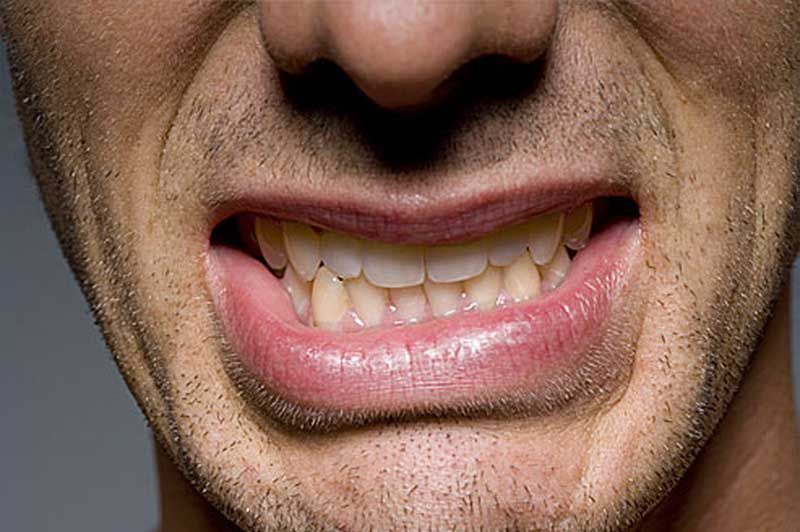
A close up of a man making a funny face with his mouth open.

Several patients have come in with painful TMJ's ( Jaw Joints) and several painful teeth. The usual culprit is added stress in their lives and they are grinding their teeth. If one tooth hurts it usually is from decay or gum disease that is located right at that site. If several teeth all of a sudden start to hurt it usually is from grinding ( bruxism) or clenching.


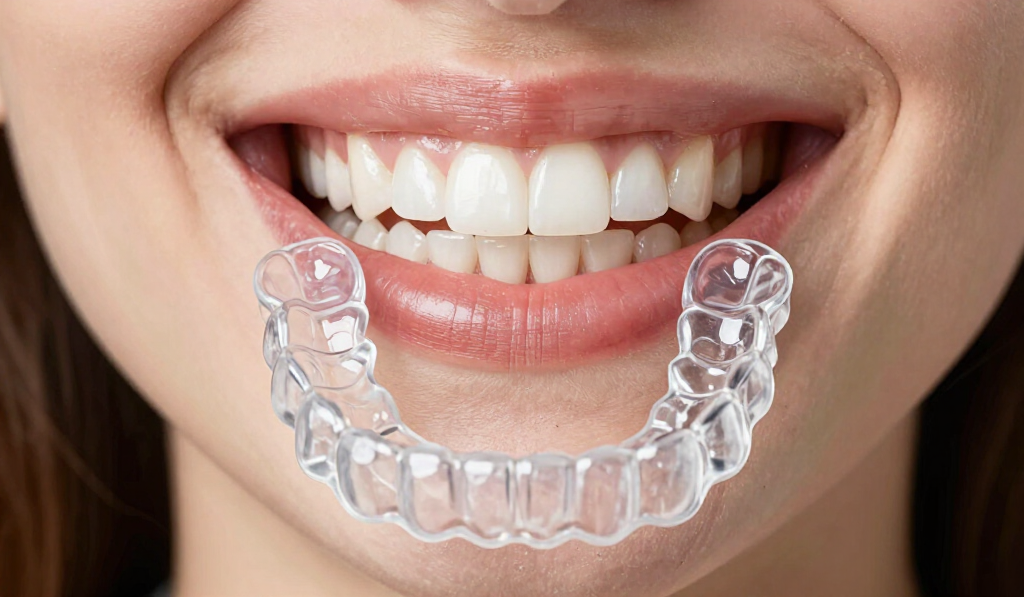
We can treat this condition with a nightguard which is like the guard sports players wear, but lighter, thinner and less bulky. It will protect the teeth from damage done while sleeping or from a daytime habit that the patient is unaware of. It is always smart to see a dentist regularly before pain occurs, but if pain does start do not ignore it. It will usually get worse and more complex to fix.

Subscribe to Dr. Annie's newsletter

Latest Articles

Dentist examining a smiling patient in a dental chair
By Dr. Annie Mazure-Schmidt August 3, 2026
Not every smile concern requires a major procedure. If you've been living with a chipped tooth, a small crack, or a gap you've always wanted to close, cosmetic bonding might be the solution and you may be surprised by how simple the process is.
By Dr. Annie Mazure-Schmidt July 7, 2026
If your dentist or hygienist has recently mentioned Laser Bacterial Reduction (LBR) as part of your care, you might be wondering what exactly that means and whether it's worth it. The short answer: it's a quick, painless, and increasingly common treatment that can meaningfully improve the results of your regular cleaning. Here's what you need to know.
Man brushing teeth in a bathroom mirror, smiling with toothpaste on the brush
By Dr. Annie Mazure-Schmidt June 1, 2026
You might not notice it at first. Maybe your teeth look a little shorter than they used to. Maybe you're dealing with new sensitivity, or your dentist has pointed out some unusual wear patterns at a recent visit. Tooth wear is more common than most people realize and understanding why it happens is the first step toward protecting your smile for the long term.
Show more articles

Share this article