
What Tooth Sensitivity To Hot And Cold Means

January 19, 2017

Teeth can be sensitive to cold and hot for many reasons. An important distinction is that if a tooth is sensitive to heat, it is more of a problem than if sensitive to cold.

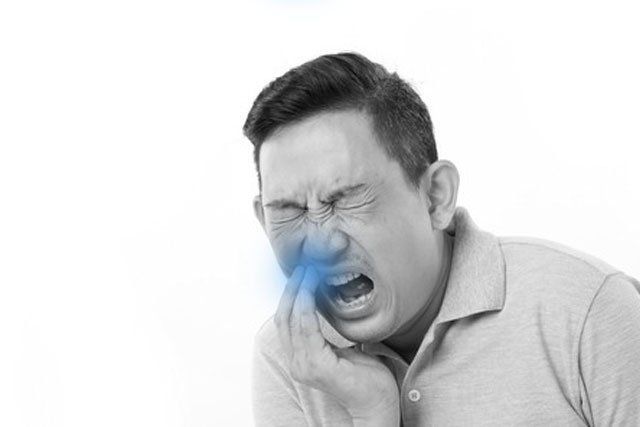
A man is holding his mouth in pain because of a toothache.

When you drink a cup of coffee or a bowl of soup and your tooth hurts it is usually from a nerve inside the tooth that is dying or has died. The heat expands gas inside the tooth and it is painful. This informs us that for some reason, like decay, a fracture or trauma, the nerve and blood flow inside the tooth is compromised and a root canal is needed to fix the situation. This procedure can actually be done quite easily.


Reasons for cold sensitivity are

  • Gum recession ( age related or from brushing too hard) that has exposed the root of the tooth normally covered by gum. The root becomes highly sensitive.
  • Fracture of a filling or a leaky filling
  • Fracture of the tooth itself
  • Wearing away of the enamel on the biting surface of a tooth that allows cold to reach the middle part of the tooth called the dentin
  • Leaking margin of a crown
  • Open contacts ( spaces) between teeth
  • Periodontal disease that causes gums to shrink and expose root surfaces
  • The nerve inside the tooth is dying or injured in some way
  • New, deep filling or crown that temporarily has caused nerve hypersensitivity
  • Decay in the tooth


These are the main reasons a tooth may be cold sensitive. The good news is that treatment at our office can alleviate all of these conditions. First we must diagnose the problem, then we will discuss the best treatment plan for you.

Subscribe to Dr. Annie's newsletter

Latest Articles

Dentist examining a smiling child’s teeth in a dental chair, wearing blue gloves and a mask
By Dr. Annie Mazure-Schmidt May 4, 2026
For many families, getting a child to the dentist feels like preparing for battle — the tears, the negotiations, the white-knuckle grip on the car door handle. Dental anxiety in children is incredibly common, and as a parent, it can feel discouraging when you know how important those checkups really are. The good news? With a little patience and the right approach, most kids can learn to feel comfortable, even confident, in the dental chair.
By Dr. Annie Mazure-Schmidt April 6, 2026
If you notice pink in the sink after brushing, you're not alone — but bleeding gums are never something to ignore. Let’s discuss what your body is trying to tell you. Occasional gum bleeding can feel alarming, but for many patients, it's also easy to dismiss. The truth is somewhere in between: bleeding gums are common, but they're not normal. It is a signal that something is off, and the good news is that most causes are very treatable when caught early.
By Dr. Annie Mazure-Schmidt March 2, 2026
If you are missing one or more teeth, modern dentistry offers several reliable solutions to restore your smile and oral function. Two of the most common options are dental implants and dental bridges. While both treatments can improve appearance and chewing ability, they differ in structure, longevity, and overall approach. At Amaze Dental in Kirkland, we believe patient education is essential to making confident decisions about dental care. Understanding the key differences between dental implants and bridges can help you determine which option may be right for your needs.
Show more articles

Share this article