What Is Laser Bacterial Reduction?
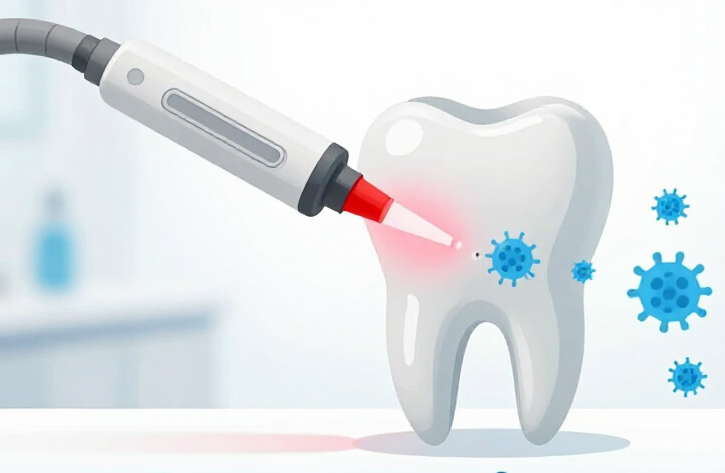
Laser bacterial reduction is a procedure in which a low-level dental laser is used to reduce the bacteria living in your gum pockets which are the spaces between your teeth and gums, before, during, or after a professional cleaning.
Your mouth is home to hundreds of species of bacteria. Most are harmless or even beneficial, but certain harmful strains thrive in the warm, protected environment beneath the gumline. Left unchecked, these bacteria produce toxins that trigger inflammation, damage the tissue and bone that hold your teeth in place, and can eventually lead to damaging gum disease also referred to as periodontitis.
LBR targets and destroys these harmful bacteria using focused light energy. It is not a
replacement for dental cleanings, it is an enhancement to provide extra bacterial reduction.
How Does It Work?
The laser used in LBR is typically a diode laser, which emits a specific wavelength of light that is selectively absorbed by the dark-pigmented bacteria found in infected gum tissue. When the laser tip is gently guided into the gum pocket, the light energy kills bacteria on contact without harming the surrounding healthy tissue.
The procedure is:
- Fast — typically completed in just a few minutes as part of your regular hygiene appointment
- Comfortable — most patients feel little to nothing; no anesthetic is needed
- Non-invasive — there are no incisions, no stitches, and no downtime
- Precise — the laser targets bacteria without damaging healthy gum tissue or tooth structure
Think of it like shining a very targeted beam of light into an area that's difficult to clean
mechanically. Your hygienist's instruments do an excellent job removing plaque and tartar, but the laser addresses the microbial environment itself by reducing bacterial counts significantly before, during, or after scaling.
What Are the Benefits?
Research has shown that LBR can provide several meaningful advantages when incorporated into periodontal care:
Reduced bacterial load.
Studies show that laser treatment can reduce harmful bacteria in the gum pocket by a significant margin; lowering the inflammatory burden on your immune system and giving your gums a better environment to heal.
Reduced risk of bacteremia.
During a traditional cleaning, bacteria from the gum pockets can enter the bloodstream, a phenomenon called bacteremia. While this is usually harmless in healthy individuals, it can pose risks for people with certain heart conditions, prosthetic heart valves, joint replacements, or compromised immune systems. LBR before a cleaning reduces this risk by lowering bacterial counts first.
Better healing after deep cleanings. For patients undergoing scaling and root planing , which is a deeper, more intensive cleaning for gum disease, LBR can support better tissue healing and reduce post-treatment inflammation.
A complement to good home care.
LBR gives your gums a cleaner baseline to start from
between appointments. It is particularly helpful for patients who struggle to control gum
inflammation despite diligent brushing and flossing.
Who Might Be Recommended LBR?
At Amaze Dental in Kirkland, our dentist or hygienist might suggest LBR if you:
- Have been diagnosed with
gingivitis or early-to-moderate gum disease
- Show signs of
persistent gum inflammation, even with good home hygiene
- Have
deeper gum pockets
that are harder to clean mechanically
- Have a medical history that includes heart conditions, joint replacements, diabetes, or a suppressed immune system
- Are
pregnant (gum disease has been linked to pregnancy complications, and minimizing bacteremia is especially important)
- Have a
history of infective endocarditis or other conditions that make bacteremia a
- concern
That said, LBR can be a beneficial addition to almost any hygiene appointment, not just for those with active gum disease.
Is Laser Bacterial Reduction Safe?
Yes. Diode lasers used in dentistry have a long, well-established safety record, and LBR
specifically has been studied and used in clinical practice for many years. The laser is set to parameters appropriate for soft tissue, and when used by a trained dental professional, it poses no risk to your teeth, roots, or surrounding structures.
What Should I Expect During the Appointment?
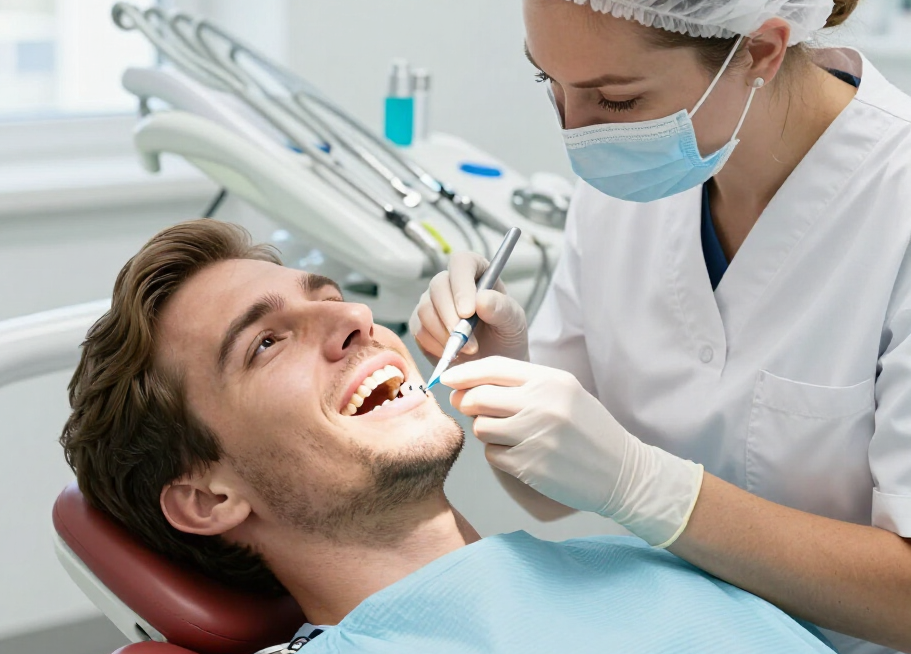
LBR is integrated seamlessly into your cleaning appointment. Your hygienist will use a thin, flexible laser tip to gently trace along the gumline and into the pocket around each tooth. It takes just a few minutes. Most patients describe the sensation as a gentle warmth, if they feel anything at all.
Afterward, you'll continue with your cleaning as usual with scaling, polishing, and any other recommended treatments. There's no recovery time, no dietary restrictions, and no aftercare instructions beyond your normal oral hygiene routine.
A Note on Cost and Coverage
LBR is often offered as an add-on service and may or may not be covered by your dental
insurance plan, depending on your provider and the reason for treatment. Your dental team can help you understand the cost and whether it's likely to be covered based on your diagnosis. For many patients, the investment in LBR is a cost-effective way to support long-term gum health and potentially avoid more involved and more expensive periodontal treatment down the road.
The Bottom Line
Laser bacterial reduction is a gentle, fast, and well-supported tool in modern dental care. It works alongside your cleaning to target the bacteria that mechanical instruments alone can't fully eliminate, supporting healthier gums, reducing inflammation, and protecting both your oral and overall health.
If your hygienist or dentist has recommended it, it's worth asking them about how LBR fits into your specific care plan. And if you're curious whether it might be right for you even if it hasn't been mentioned, feel free to bring it up at your next appointment. Your dental team is always happy to discuss the options available to help you maintain the healthiest smile possible.
Have questions about laser bacterial reduction or any other treatment at Amaze Dental in Kirkland, WA?
Give us a call
↗
— we're always here to help.