Fluoride is an important mineral also in the development of permanent teeth. Through a chemical process in the body, fluoride in the water is absorbed and tiny amounts actually make their way to the structure of the young adult tooth. This also makes the permanent teeth more resistant to decay.
Most cities have fluoride in the water supply because of this and as a matter of fact Portland, Oregon finally came on board and approved fluoride in their water supply also. It is an important element for tooth "toughness". It has been argued that the higher than normal children decay prevalence in Portland is due to no added fluoride in the water. This is a hot topic to be sure, but from a scientific approach there is reason to do this.
But what many people do not know is that fluoride placed on adult teeth also can be very effective. The portion of the tooth that you normally see in someone's mouth is covered by enamel. It is the hardest structure in the human body. It is 25% harder than the hardest bone. As adults age and thru normal brushing over a period of time our gums "receed" or shrink a little bit.
This is really not a problem usually as it is a slow process and usually without discomfort. Sometimes , though, the recession becomes moderate or severe. This is how the term "long in the tooth" came into our language as a representation of getting older. The teeth actually looked longer as the gums receeded. As the gums receed the root of the tooth is exposed. This root is much softer than enamel. It is much more possible to decay or be sensitive to sweets, cold or sometimes heat. If this does happen, we have several treatments that will reduce the discomfort, but the simplest is applying fluoride.
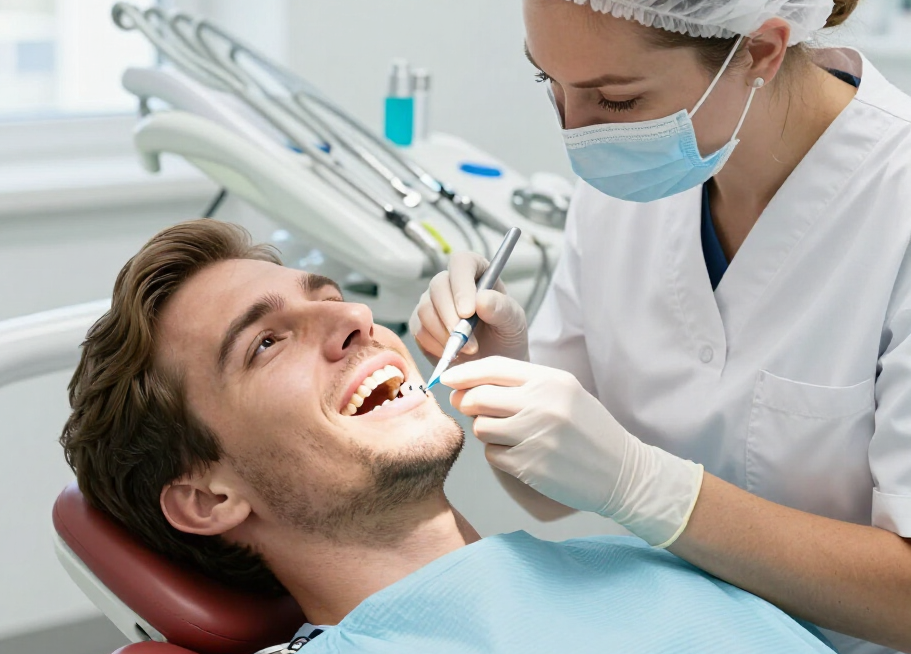
Most adults do have some degree of recession from slight , about 1mm, to severe at up to 8mm. Because of this, we offer fluoride treatments to our adult patients in addition to all of our child patients immediately after their 6 month cleanings. We are always looking for better ways to serve our client patients and fluoride is a simple , but highly effective way to keep teeth stronger , more beautiful and with less decay. Everyone is a winner! Feel free to contact our office for more information.
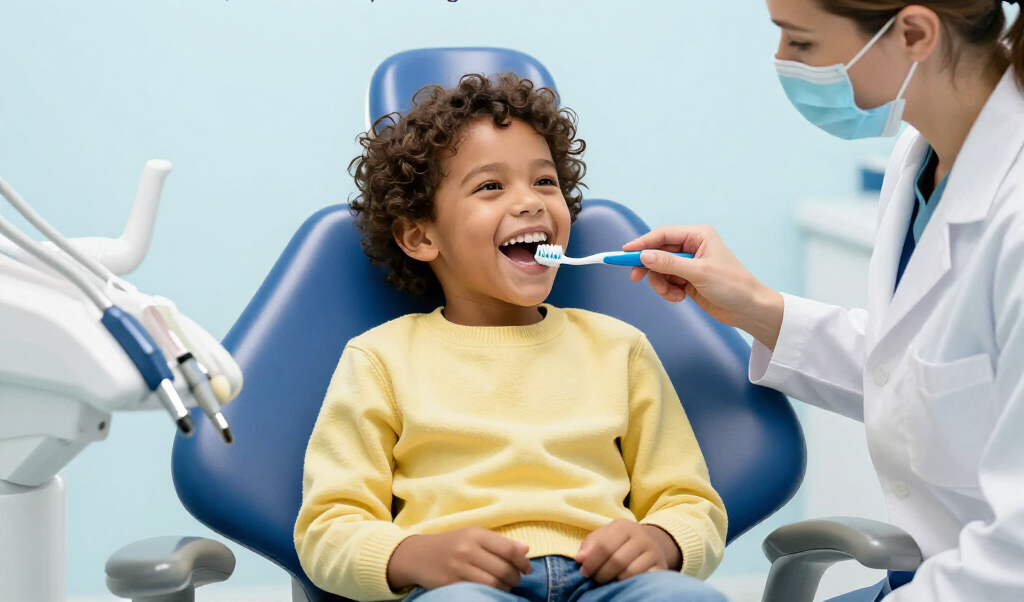
Everyone knows that fluoride treatment for children is important. Fluoride actually is "soaked up" by baby teeth and makes them harder. Fluoride is an important mineral also in the development of permanent teeth. Through a chemical process in the body, fluoride in the water is absorbed and tiny amounts actually make their way to the structure of the young adult tooth.
This also makes the permanent teeth more resistant to decay . Most cities have fluoride in the water supply because of this and as a matter of fact Portland, Oregon finally came on board and approved fluoride in their water supply also. It is an important element for tooth "toughness". It has been argued that the higher than normal children decay prevalence in Portland is due to no added fluoride in the water. This is a hot topic to be sure, but from a scientific approach there is reason to do this.
But what many people do not know is that fluoride placed on adult teeth also can be very effective. The portion of the tooth that you normally see in someone's mouth is covered by enamel. It is the hardest structure in the human body. It is 25% harder than the hardest bone. As adults age and thru normal brushing over a period of time our gums "receed" or shrink a little bit. This is really not a problem usually as it is a slow process and usually without discomfort. Sometimes , though, the recession becomes moderate or severe. This is how the term "long in the tooth" came into our language as a representation of getting older. The teeth actually looked longer as the gums receeded.
As the gums receed the root of the tooth is exposed. This root is much softer than enamel. It is much more possible to decay or be sensitive to sweets, cold or sometimes heat. If this does happen, we have several treatments that will reduce the discomfort, but the simplest is applying fluoride. Most adults do have some degree of recession from slight , about 1mm, to severe at up to 8mm. Because of this, we offer fluoride treatments to our adult patients in addition to all of our child patients immediately after their 6 month cleanings.
We are always looking for better ways to serve our client patients and fluoride is a simple , but highly effective way to keep teeth stronger , more beautiful and with less decay. Everyone is a winner! Feel free to contact our office for more information.