How Does Teeth Whitening Work?
Most whitening products use hydrogen peroxide or carbamide peroxide as active ingredients. These chemicals penetrate the enamel, the outermost layer of your tooth, and initiate an oxidation process. This reaction breaks apart the staining molecules within your enamel, dissolving or lifting them away to leave behind a whiter appearance.
The effectiveness of any whitening treatment depends on:
- The
strength of the peroxide
- The
duration of contact with your teeth
- The
depth of penetration into the tooth structure
What Causes Tooth Staining?
Tooth discoloration falls into two main categories:
1.
Extrinsic Stain
These are surface-level stains caused by external factors such as:
- Coffee, tea, wine, or dark-colored foods
- Smoking or vaping
- Poor oral hygiene
- Extrinsic stains typically respond well to whitening treatments.
2. Intrinsic Stains
These originate
within the tooth and are often caused by:
- Natural aging
- Trauma to the tooth
- Certain medications (e.g., tetracycline)
- Excessive fluoride exposure in childhood
Intrinsic stains are more resistant to whitening and may require more advanced cosmetic options, such as veneers or dental bonding.
Your Whitening Options: Pros and Cons
1. Over-the-Counter Whitening Products
Includes: Whitening strips, gels, toothpaste, or generic trays
- Pros: Affordable, widely accessible, easy to use at home
- Cons: Lowest peroxide concentrations; limited stain removal ability; no professional supervision; may cause uneven results or sensitivity
2. In-Office Professional Whitening
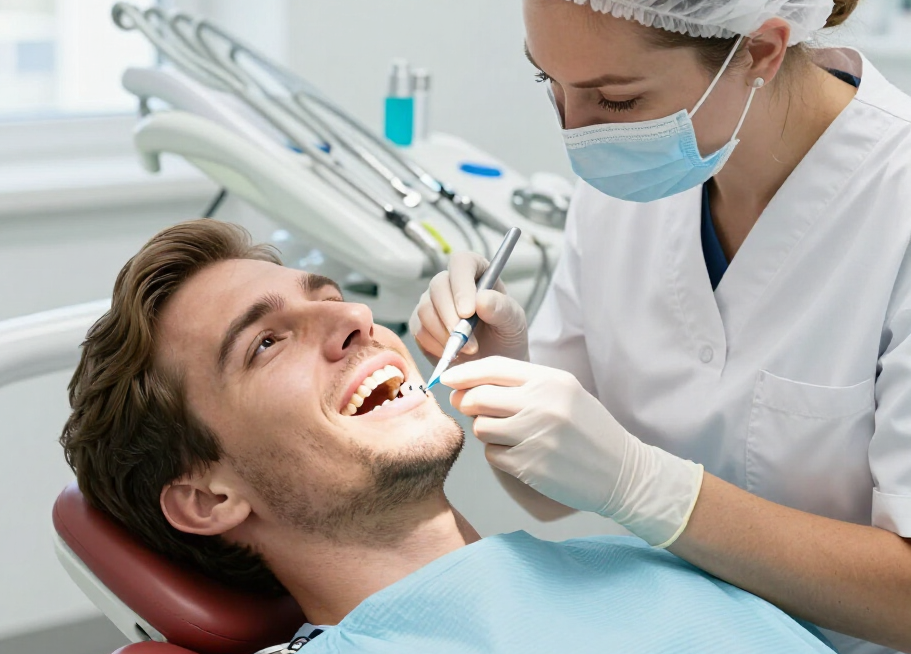
Performed by your dentist using high-concentration peroxide and often enhanced with a light or laser
- Pros: Immediate, dramatic results in one visit; safe and supervised
- Cons: Higher cost; potential for temporary sensitivity
3. Take-Home Professional Whitening Kits
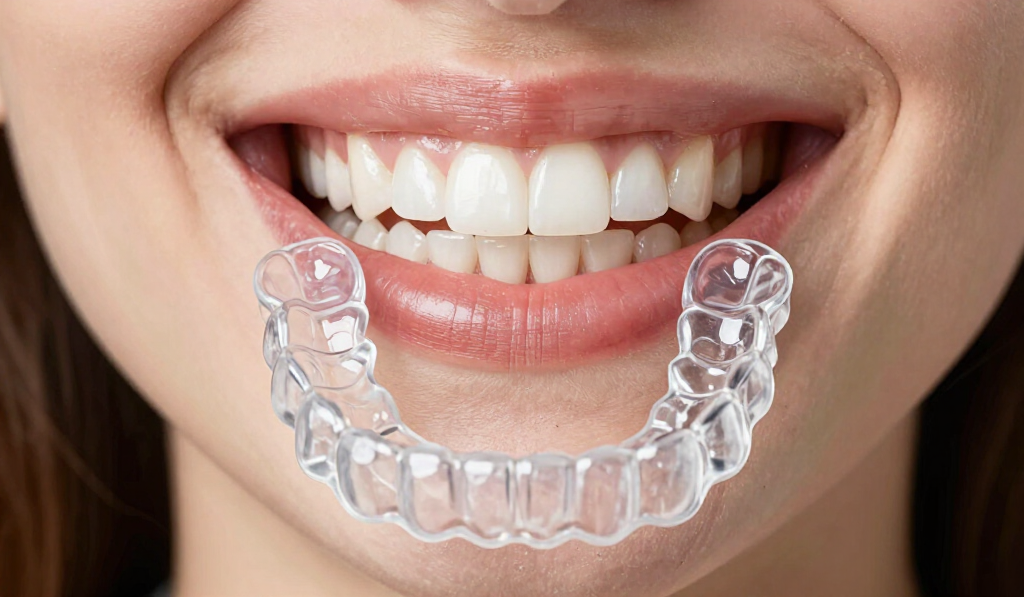
Custom trays made by your dentist with prescription-strength gel
- Pros: Gradual whitening with reduced sensitivity; customized fit; professional guidance
- Cons: Requires consistent at-home application over 1–2 weeks
Important Considerations Before Whitening
Dental Restorations Don't Whiten
Whitening products do
not change the color of crowns, veneers, fillings, or bonding — only natural enamel. If you have visible dental work, whitening can result in mismatched shades. Talk to your dentist about the best approach.
Who Should Avoid Whitening?
- Children under 16
- Pregnant or nursing women
- Individuals with
active tooth decay, gum disease, or extensive restorations
- People with
severe sensitivity or a history of enamel erosion
Always consult your dentist before starting any whitening treatment to ensure it’s safe and appropriate for your oral health.
Does Whitening Cause Sensitivity or Damage?
Teeth whitening is considered
safe when supervised and performed correctly. However, temporary
tooth sensitivity and mild
gum irritation are common. This occurs due to temporary exposure of dentinal tubules during the whitening process.
Whitening also causes
minor demineralization of enamel, which typically reverses quickly with saliva and fluoride exposure. Overuse or frequent bleaching, however, can weaken enamel over time — which is why it’s crucial to whiten in moderation.
How Long Do Whitening Results Last?
Whitening results can last anywhere from
6 months to 2 years, depending on your habits and oral care. To extend the effects:
- Avoid staining foods and drinks
- Practice excellent oral hygiene
- Schedule or perform touch-up treatments as needed
Care Tips for Best Results
To reduce sensitivity and keep your smile bright:
- Use
sensitivity toothpaste 1 week before, during, and 1 week after treatment
- Avoid staining agents (coffee, tea, wine, colored sauces) during and 48 hours after treatment — or use a straw
- Do not smoke or vape
- Maintain excellent oral hygiene
- Rinse with water after meals or beverages
- Avoid other dental procedures during your whitening period
Final Thoughts
Whitening can significantly improve tooth color, but
results vary based on the original shade, type of staining, and your natural tooth anatomy. It won't turn teeth "Hollywood white," but it can brighten and refresh your smile noticeably.
Teeth whitening is a safe, effective way to enhance your smile when done properly. Whether you're considering an in-office procedure, a dentist-prescribed take-home kit, or a store-bought solution, understanding the differences — and the risks — will help you make an informed decision.
Always discuss whitening options with your dental provider to ensure it’s the right fit for your individual needs and to minimize any potential complications.
Ready to brighten your smile?
Contact our office to schedule a whitening consultation — we’ll help you choose the right path to a whiter, healthier-looking smile.