What Is a Root Canal?
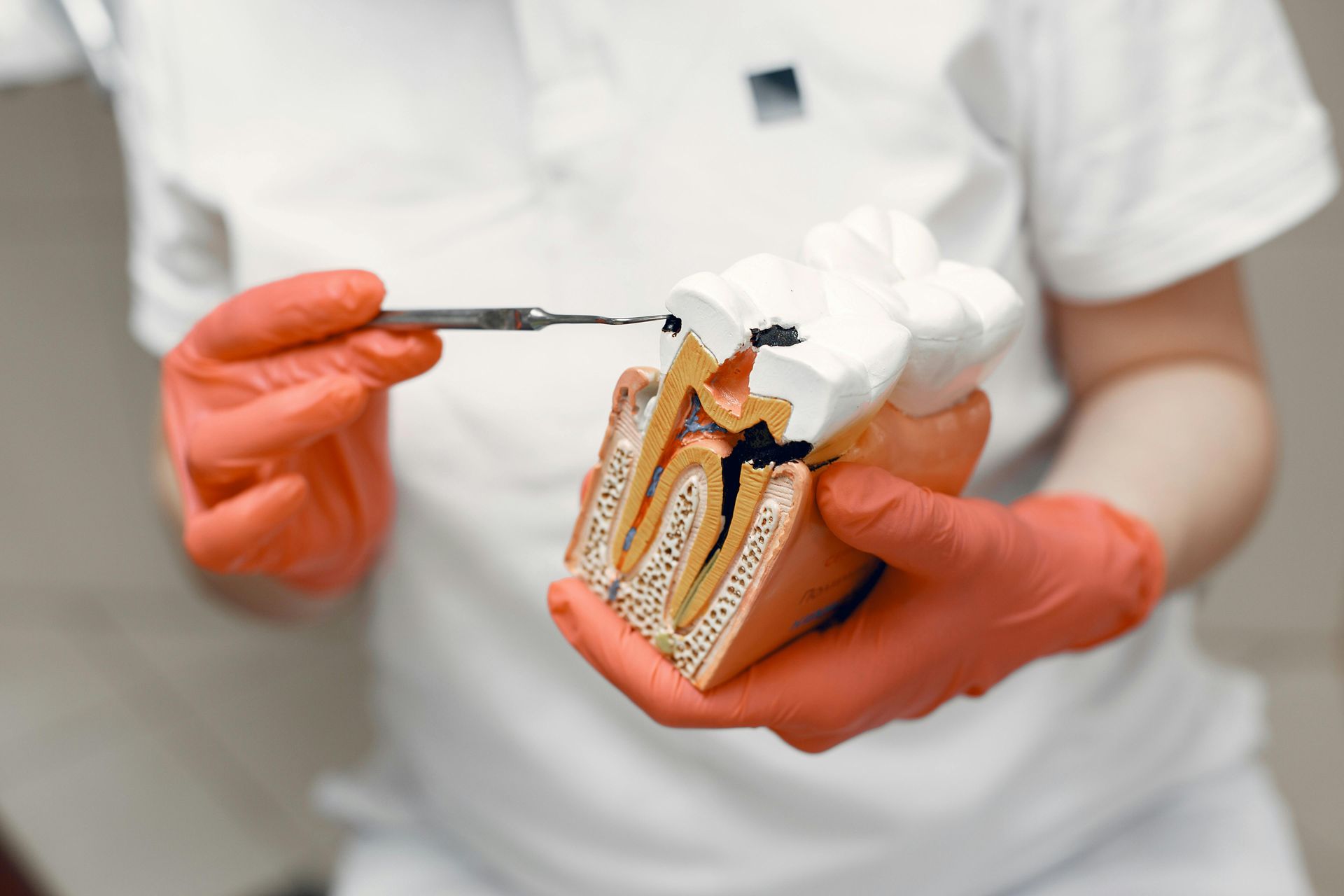
At the center of each tooth is a pulp chamber filled with nerves, blood vessels, and connective tissue. When this tissue becomes infected or inflamed—often due to decay, trauma, or previous dental procedures—it can cause significant pain and compromise the health of the tooth.
A root canal involves removing the infected or damaged pulp tissue, cleaning and disinfecting the empty canals, and then sealing them with a special filling material, followed by a full or partial coverage crown. This process helps stop the spread of infection, eliminates pain, and extends the life of your natural tooth.
Why Would Your Dentist Recommend a Root Canal?
Your dentist may recommend a root canal if the pulp of your tooth is infected or irreversibly inflamed. This infection can stem from a variety of causes:
- Deep Tooth Decay: When cavities are left untreated or when a previously treated tooth becomes reinfected, bacteria can invade the pulp tissue.
- Trauma or Injury: Even without visible cracks or breaks, trauma to the tooth can damage the pulp and prevent the body from healing it naturally.
- Previous Dental Procedures: Repeated treatments on the same tooth, overheating during dental work, or new infections can lead to pulp damage that requires intervention.
Common Symptoms That May Indicate a Need for a Root Canal
It’s important to recognize the signs of a potential infection before it worsens. Symptoms that may lead your dentist to recommend a root canal include:
- Severe pain when chewing or biting
- A pimple-like bump on your gums (often a sign of infection)
- Chipped or cracked teeth, or unexplained tooth discoloration
- Lingering sensitivity to hot or cold (especially if it lasts more than a few seconds)
- Swollen or tender gums
- Persistent pain, especially one that wakes you up at night or won’t go away during the day
If you're experiencing any of these symptoms, it’s essential to consult your dentist promptly.
Are Root Canals Painful?
One of the biggest myths about root canals is that they’re painful. In reality, the pain from an infected tooth is often far worse than the procedure itself. With modern anesthesia and techniques, a root canal is no more uncomfortable than getting a dental filling or a crown. You may experience some mild soreness afterward, but this is typically manageable and short-lived. Most patients report significant relief once the source of infection is removed.
Alternatives to a Root Canal
If your dentist determines that the pulp tissue cannot be saved, and you opt not to undergo a root canal, the only alternative is tooth extraction. While extraction removes the source of infection, it also creates the need for replacement options like dental implants, bridges, or dentures—each with their own cost and maintenance considerations. Preserving your natural tooth, when possible, is generally the best long-term option.
How to Avoid Needing a Root Canal
Prevention is the best medicine. Here’s how to reduce your risk:
- Practice good oral hygiene: Brush twice daily and floss daily.
- Visit your dentist regularly: Routine cleanings and X-rays help catch problems early before they reach the pulp.
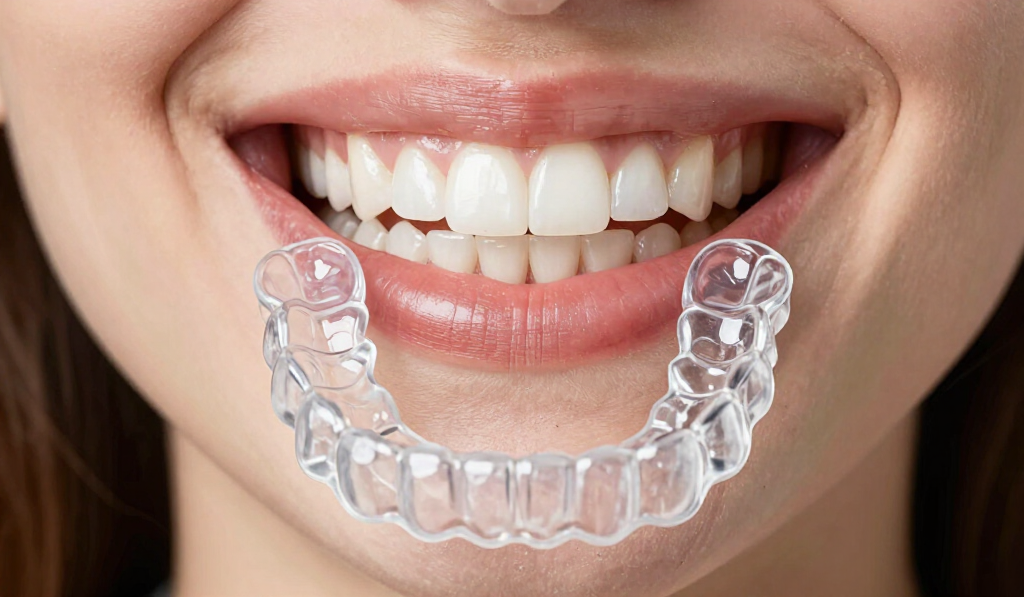
- Avoid dental trauma: Wear a protective mouth guard during contact sports or activities that risk injury to your teeth.
Final Thoughts
While the idea of a root canal might seem daunting, it’s considered a routine, highly successful treatment that can save your tooth and relieve serious discomfort. With proper care and attention to your oral health, you can minimize your risk—and keep your natural smile intact for years to come. Please do not hesitate to contact our office today if you have any related symptoms described above.