The most common reason: gingivitis
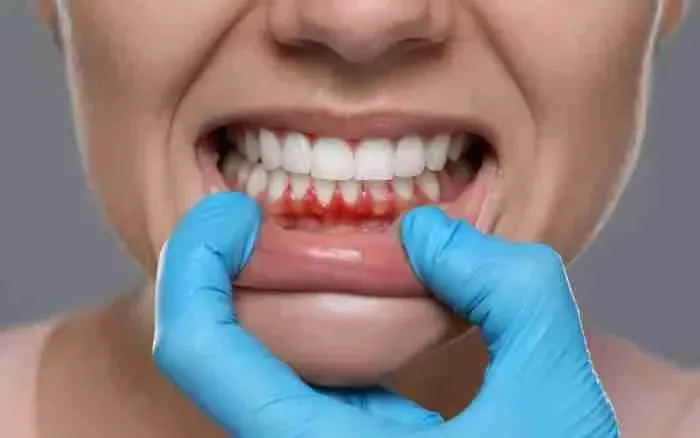
By far the leading cause of bleeding gums is gingivitis, the earliest stage of gum disease. When plaque, a sticky film of bacteria, builds up along the gumline, your immune system jumps into action by responding with inflammation. Inflamed gum tissue becomes tender, puffy, and much more likely to bleed at the slightest contact.
The encouraging thing about gingivitis is that it's completely reversible with proper care. It hasn't yet affected the bone or deeper structures supporting your teeth. Early detection and action will have the best long-term results.
Other common causes
- Brushing too hard or using the wrong type of toothbrush:
Aggressive scrubbing and stiff bristles tooth brush head can irritate and damage delicate gum tissue. A soft-bristle brush and gentle, circular strokes are all you need.
- Flossing irregularly:
If you only floss occasionally, your gums will soften and have more plaque accumulation. Daily flossing — yes, every day — allows the tissue to adapt, become more resilient, and reduce plaque around the gumline. A little initial bleeding usually resolves within 1–2 weeks of consistent flossing.
- Certain medications:
Blood thinners, some blood pressure medications, and even aspirin can increase bleeding in the mouth. Always let your dentist know about any medications you're taking.
- Hormonal changes:
Pregnancy, puberty, and menopause can all make gums more sensitive and reactive. "Pregnancy gingivitis" is a well-recognized condition. Routine dental visits during pregnancy are safe and especially important during this time.
- Nutritional deficiencies:
Low levels of vitamins C and K, in particular, have been linked to gum fragility and bleeding. A balanced diet supports healthy gum tissue from the inside out. Your provider may recommend a blood panel to rule out nutrient deficiencies.
- Ill-fitting dental appliances: Dentures or retainers that don't fit well can create chronic irritation at the gumline.
If your gums bleed regularly, are swollen or receding, or if you notice persistent bad breath, these are signs that it's time for a professional evaluation — not just a reminder to floss more.
What you can do at home
A few simple habits make a significant difference:
- Brush twice a day for two minutes with a soft-bristle brush, using gentle pressure
- Floss once daily. Be consistent, even if there's initial discomfort
- Use an antiseptic or fluoride mouthwash as directed (avoid any alcohol-based mouthwash)
- Stay hydrated and eat a diet rich in leafy greens and fresh vegetables
- Avoid smoking, which significantly worsens gum health and slows healing
- Schedule routine dental appointments and cleanings (at least every 6 months)
When to see your dentist
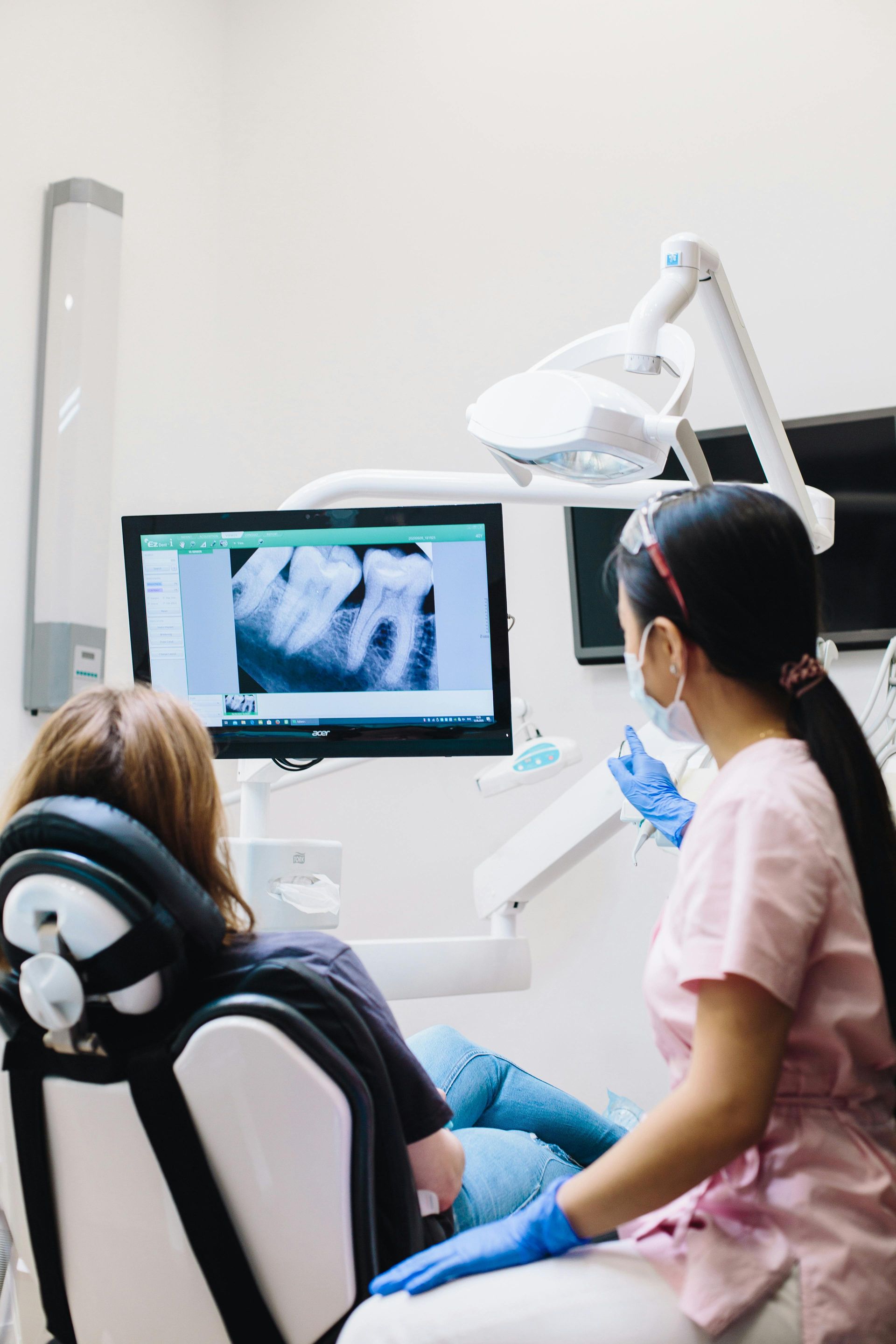
Home care is essential, but it's only half the picture. A professional cleaning removes the hardened plaque (tartar) that no toothbrush can reach. If gum disease has progressed beyond gingivitis into periodontitis, deeper treatment may be needed to protect the bone and connective tissue supporting your teeth.
Don't wait to find out. Gum disease is often painless in its early stages, which is exactly why regular checkups are your most powerful tool for catching problems before they become serious.
Notice bleeding gums or due for a checkup? We’d love to see you at Amaze Dental Kirkland. Our team will evaluate your gum health and give your teeth a thorough cleaning, and walk you through a personalized prevention plan.
Request an appointment now ↗